

March 26, 2026
Why Tight Tolerances Matter in Mission-Critical Applications
Summary. Tight tolerances matter in mission-critical manufacturing because even small, acceptable dimensional variations can stack up into serious assembly, fit, reliability, and performance problems. The blog explains how success comes not from tightening every feature, but from controlling the dimensions that truly impact fit, sealing, alignment, load path, and electrical connection. It recommends a practical five-step strategy: identify critical features,...
March 26, 2026
Why Tight Tolerances Matter in Mission-Critical Applications
Summary. Tight tolerances matter in mission-critical manufacturing because even small, acceptable dimensional variations can stack up into serious assembly, fit, reliability, and performance problems. The blog explains how success comes not from tightening every feature, but from controlling the dimensions that truly impact fit, sealing, alignment, load path, and electrical connection. It recommends a practical five-step strategy: identify critical features,...

March 6, 2026
Speed to Market Starts With Design: How DFM Can Make or Break Your Launch
Summary. Speed-to-market doesn’t fail in the shop. It fails in design. This blog explains how a disciplined Design for Manufacturability (DFM) review prevents “surprise” production delays like unformable flanges, blocked punch paths, added manual operations, tolerance-driven inspection backlogs, and assembly access issues that only appear at scale. A strong DFM process aligns teams on build intent early (volumes, critical features,...

February 6, 2026
How a Sustainable Contract Manufacturer Will Drive Customer Loyalty, and Improve Margins
Summary. OEMs are increasingly required to prove their products are built by sustainable suppliers—complete with data on scrap, energy use, recycling, and packaging. When a contract manufacturer can’t provide this, projects, margins, and customer trust are all at risk. The blog shows how to turn your sustainability goals into clear supplier requirements, evaluate scrap and energy practices, scrutinize packaging and...
January 10, 2026
From Sketch to Solution: How Engineering Expertise Solves the ‘Impossible’
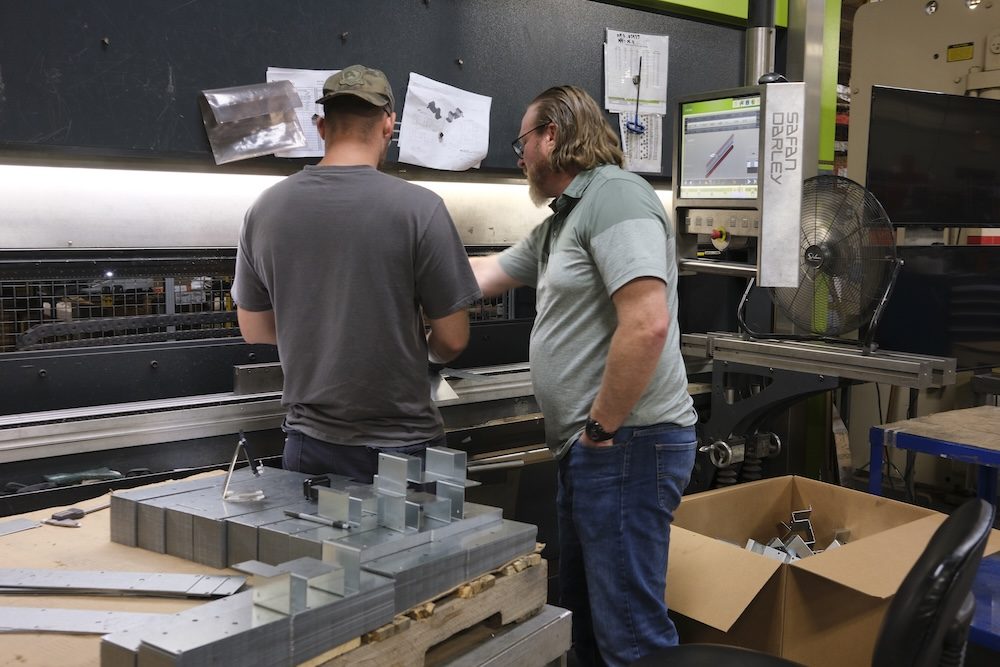
Summary. This is the story of a complex idea brought to life through collaboration and creative engineering. It begins with a rough sketch of a surgical device housing that seemed impossible to manufacture. But when the customer partnered with a reputable precision contract manufacturer, they embarked on a journey from concept to production, overcoming design hurdles, material challenges, and tight...
December 4, 2025
Contract Assembly: A Smart Path to Profitability for OEMs
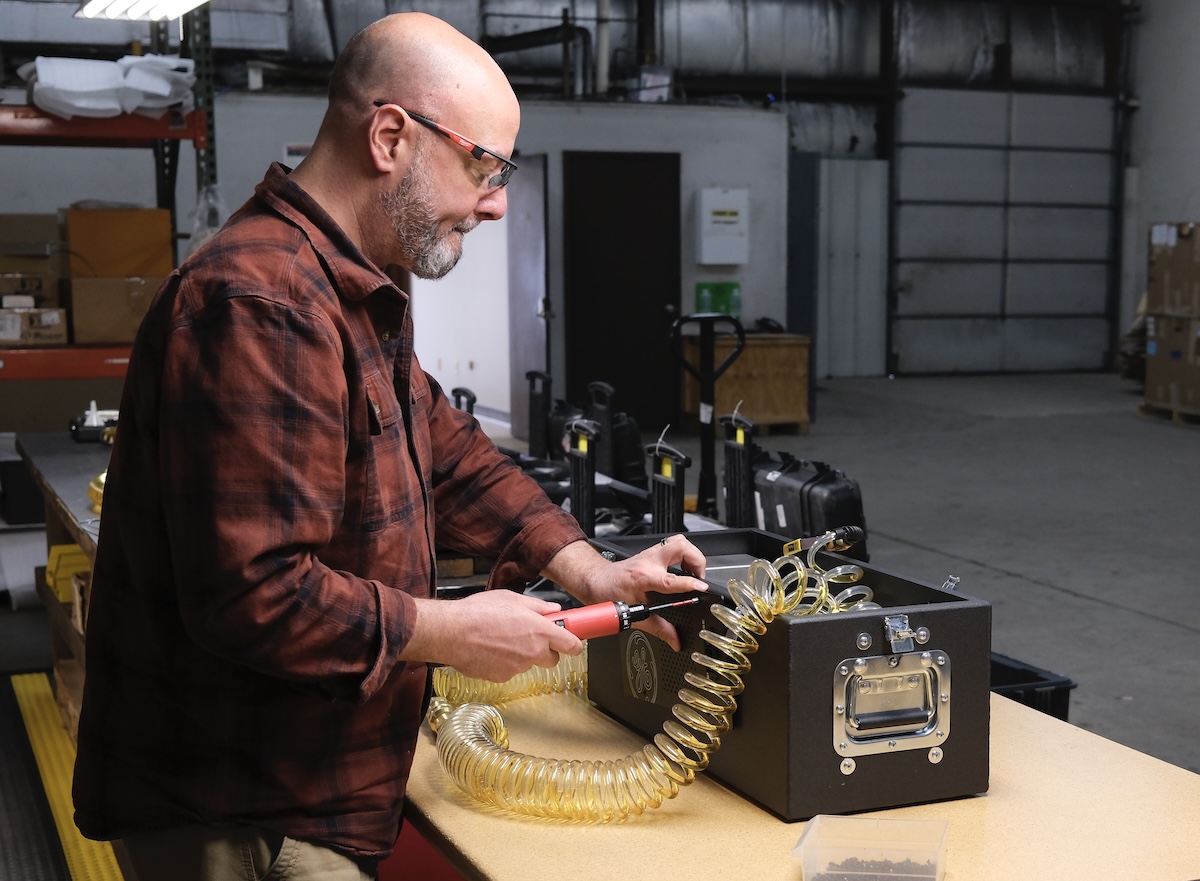
Summary. Contract assembly is the outsourcing of product assembly to a third-party manufacturer who integrates customer-supplied or internally produced components into finished or semi-finished units. This practice allows OEMs to offload labor-intensive, repetitive tasks and redirect internal resources to higher-value activities like machining, fabrication, engineering, and system-level builds. Commonly outsourced assemblies include wiring harnesses, mechanical subassemblies, enclosures, and kitted modules....

November 7, 2025
Why Typical Customer Service is Not Good Enough in Contract Manufacturing
Summary. Traditional customer service practices are no longer sufficient in contract manufacturing. While many companies offer similar capabilities in metal fabrication and manufacturing, only a few embody a truly customer-centric culture—one that prioritizes the client’s goals with unwavering dedication, responsiveness, and partnership. This article emphasizes that exceptional contract manufacturing partners go beyond just delivering services; they live and breathe a...
October 13, 2025
High-Mix, Low-Volume Manufacturing: Filling the Gap Between One-Offs and OEM Runs
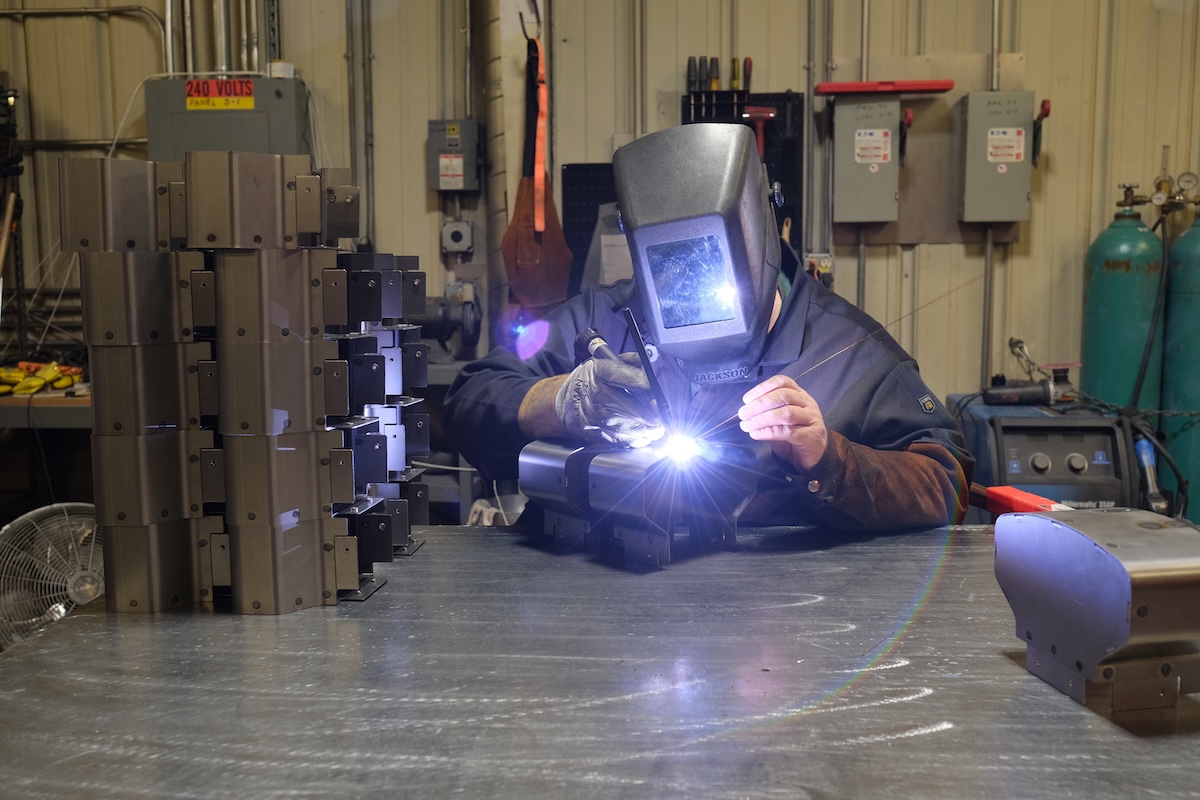
Summary. High-mix, low-volume (HMLV) manufacturing bridges the gap between one-off prototyping and high-volume OEM production, offering flexibility, speed, and customization for businesses needing short-run manufacturing. HMLV enables frequent product changeovers, small batch sizes, and rapid design iterations, making it ideal for industries like medical technology, bioscience, and mobile hydraulics where agility is key. It supports OEMs needing specialized subassemblies, engineers...

September 5, 2025
Seven Ways You Can Protect Your Margins and Control Production Costs During a Tariff Turbulence
Summary. In the face of tariff-related cost uncertainty, especially in metal fabrication, companies must strategically control costs of production without compromising quality. This blog outlines seven practical strategies for controlling costs and protecting margins. First, partnering with U.S.-based contract manufacturers helps avoid tariffs and customs delays. Second, using alternative, cost-effective materials can reduce expenses while maintaining performance. Third, design simplification...

August 4, 2025
Design for Manufacturability: What Engineers Should Know Before Requesting a Quote
Summary. Design for Manufacturability (DFM) is critical for achieving efficient, cost-effective results in custom metal fabrication and precision manufacturing. In the blog Design for Manufacturability: What Engineers Should Know Before Requesting a Quote, engineers will learn how to optimize their designs before reaching out for pricing. Common pitfalls—such as unclear drawings, overly tight tolerances, complex weldments, and nonstandard materials—can lead...

July 4, 2025
What Most People Get Wrong About Manufacturing Lead Times — and What You Can Do About It
Summary. Lead time is more than just production time—it’s the total duration from order placement to delivery, and misunderstanding it can disrupt scheduling, cash flow, and customer satisfaction. Many assume lead times are consistent or that shorter always means more expensive, but that’s not always true. Variables like procurement delays, design revisions, and the need for turnkey services all impact...

June 6, 2025
Why Specialty Welding is Critical in the Medical and Food Industries
Summary. In industries like medical and food processing, “almost perfect” isn’t acceptable. Equipment must meet stringent standards for safety, cleanliness, and aesthetics—especially at welded joints. In medical device manufacturing, welds must withstand repeated sterilization, be biocompatible, and appear flawless in patient-facing environments. Food processing equipment requires welds free of pits and gaps that could trap bacteria, while also meeting FDA...
May 18, 2025
How the Right Contract Manufacturing Partner Reduces Total Cost of Ownership
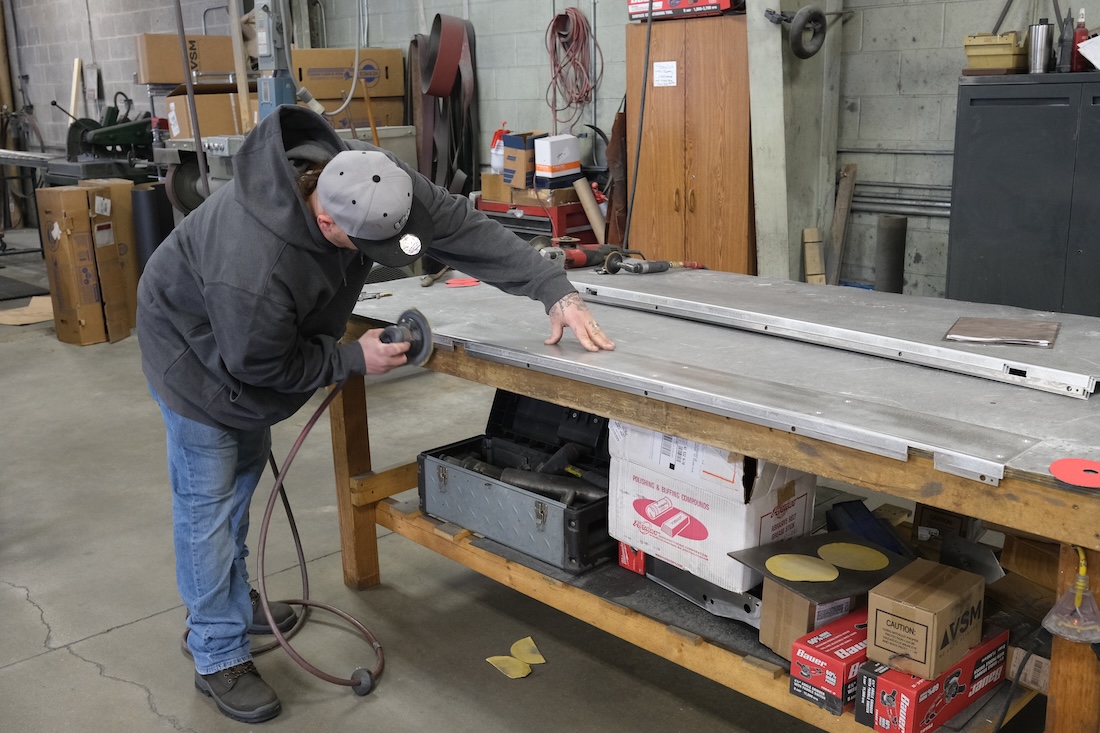
Summary. Focusing solely on price when selecting a contract manufacturer can lead to costly consequences. At Mathison Manufacturing, we believe in looking beyond cost-per-part to consider the total cost of ownership. Choosing a low-cost partner often results in poor material quality, lack of DFM expertise, subpar cosmetic finishes, missed deadlines, and inadequate communication. In contrast, a skilled, reliable manufacturing partner...

April 15, 2025
Tariffs: How Steel and Aluminum Duties Are Reshaping Metal Fabrication
Summary. With 25% tariffs reinstated on imported steel and aluminum in March 2025, U.S. fabricators like Mathison Manufacturing are feeling the strain. While intended to support domestic mills, the real-world outcome has been skyrocketing material costs, unstable supply chains, and shrinking margins. For high-mix, low-volume shops, sourcing flexibility is limited, and quoting projects has become a delicate balancing act. Specialty...