
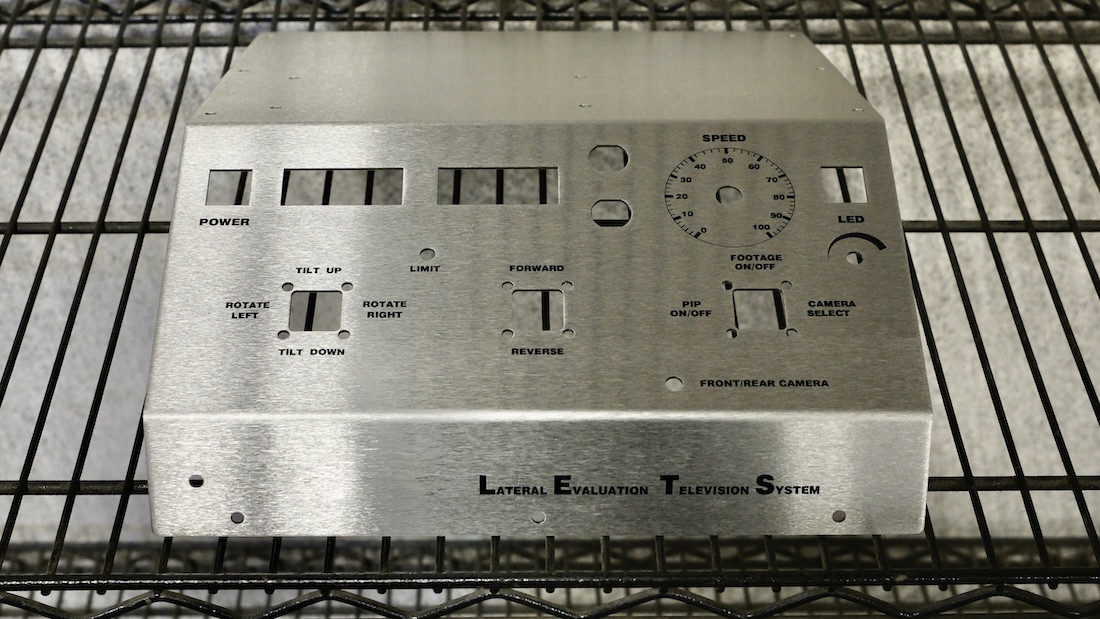
Summary.“Good enough” can fail fast in cosmetic metal fabrication, where a part may meet every tolerance yet still be rejected for a visible scratch, weld mark, dent, grain inconsistency, or finish flaw. This blog explains why appearance must be treated as part of function, especially for customer-facing equipment, medical devices, control panels, and high-value assemblies. It outlines a five-step framework: identify cosmetic surfaces early, build handling protection into production, match fabrication methods to appearance requirements, inspect at key stages, and package finished parts carefully. The key takeaway is clear: preventing cosmetic defects requires planning, standards, and disciplined handling from quote to delivery.
Read the full blog to learn how the right fabrication partner reduces rework, delays, and customer frustration.
A bracket leaves the shop with every hole in tolerance, every bend correct, and every weld structurally sound.
On paper, it passes.
Then the customer opens the crate and sees a small, fine scratch across the front face. Now the customer has a decision to make: install it as-is, send it back for rework, request a replacement, or ask for a concession.
Either way, a part that looked complete on the inspection report has created extra work, delay, and doubt.
…
In cosmetic fabrication, “good enough” is unacceptable, because on finished equipment, customer-facing systems, medical devices, control panels, or high-value assemblies, appearance matters. Even a small scratch on a designated cosmetic surface can trigger rework, and it makes for unhappy and frustrated customers.
Here’s how the right contract manufacturing and metal fabrication partner maintains high standards without slowing every job to a crawl.
Treating Cosmetic Quality as Part of Function (Because It Is)
With cosmetic fabrication projects, the visible condition of the part matters as much as size, fit, and strength. A part can meet print dimensions and still fail because of scratches, weld discoloration, inconsistent grain, poor finish, dents, or handling marks. For many precision sheet metal fabrication projects, appearance influences customer confidence, reflects brand quality, and determines final acceptance.
Standards are defined early, and they are protected through fabrication, finishing, inspection, and shipment.
When cosmetic expectations are not defined early, repeat problems show up late in the process:
- Parts meeting dimensional requirements are rejected
- Debates ensue over whether a scratch is “acceptable”
- Rework after powder coating, plating, or graining
- Handling damage near final assembly
- Customers complain about visible flaws
Implementing a 5 Step Core Framework to Control Cosmetic Fabrication
A reputable and conscientious contract manufacturing and metal fabrication partner will have a tight framework for ensuring cosmetic jobs are well-protected through the production process.
They will:
- Identify cosmetic surfaces before production
Cosmetic problems often start before metal hits the laser, press brake, or weld table. Teams need to know which surfaces face the end user and which are hidden. Proper identification affects routing, tooling, handling, finishing, and inspection.
What a solid partner does:
- Marks Class A, B, and hidden surfaces on the print
- Confirms grain direction and finish expectations
- Defines acceptable defects by size, location, and visibility
- Reviews standards before quoting complex work
When the team knows what matters visually, they know which areas to protect without overworking the entire part.
- Build handling protection into the route
Many cosmetic defects do not come from one major mistake. They come from small touches across many operations. As parts move through cutting, deburring, forming, welding, grinding, finishing, assembly, inspection, and packing, each stage introduces cosmetic vulnerability.
What a reputable partner does:
- Uses protective film when the material allows it
- Separates cosmetic parts from rough production flow
- Uses clean carts, pads, and dedicated containers
- Limits stacking after finish-critical operations
Better handling reduces rework, protects schedules, and lowers inspection load at the end of jobs.
- Match fabrication methods to cosmetic requirements
The lowest-cost method may not work when a cosmetically finished surface matters. Tool marks, heat tint, weld distortion, and grinding patterns can all become visible after finishing. Cosmetic fabrication requires process choices that match final appearance requirements.
What a strong manufacturing partner does:
- Chooses tooling that reduces marking during forming
- Controls weld size, location, and heat input
- Plans grind direction before welding starts
- Avoids late design changes that expose problem areas
Good process planning prevents defects instead of hoping finishing can hide them later.
- Inspect appearance at the right points
While final inspection matters, it should not carry the full burden. By the time a cosmetic defect reaches final inspection, the team may have already spent money on welding, finishing, assembly, and freight. Early checks reduce expensive surprises.
What a conscientious partner does:
- Inspects cosmetic faces after forming
- Checks weld and grind areas before finishing
- Reviews finish samples when appearance is critical
- Documents defects with photos when needed to ensure root causes are fixed
Early inspection catches problems while the part can still be corrected with less cost and schedule risk.
- Package parts to protect finished surfaces
Packaging often gets treated as an afterthought, and when not done with care, the final product is at risk of damage. Cosmetic fabrication requires packaging that prevents part-to-part contact, rubbing, denting, and contamination during transit.
What a careful partner does:
- Uses separators between finished surfaces
- Protects corners, edges, and exposed faces
- Labels parts that need special handling
- Standardizes packaging for repeat production jobs
A part is not a success when it leaves the shop. It is a success when the customer receives it in usable condition.
Proof and Practical Evidence
Cosmetic quality improves when teams treat appearance as a requirement. This matters in custom metal fabrication because parts often pass through many hands before reaching the customer. Each step can either protect quality or create rework.
Example scenario: A manufacturer orders 75 visible equipment covers. In the first run, 12 covers need rework because of handling marks after graining. The supplier adds Class A surface notes, padded carts, mid-process inspection, and separated packaging. On the next run, the issue is resolved, and the customer receives a cleaner, more predictable shipment.
Situation → action → result: The issue was not poor skill. The issue was an undefined cosmetic process. Once the team controlled surfaces, handling, inspection, and packing, cosmetic defects became easier to prevent.
Common Mistakes That Lead to Cosmetic Failures
Cosmetic issues often come from avoidable process gaps. The right contract manufacturing and metal fabrication partner has clear standards that prevent rework, which include:
- Defining cosmetic surfaces. When visible surfaces are not clearly identified, inspection becomes subjective and disputes are more likely.
- Not relying on final inspection to catch visible defects. Cosmetic issues should be caught before too much value has been added.
- Noting grain direction. Grain direction should be confirmed before cutting, forming, welding, and finishing.
- Protecting finished parts. Finished or finish-critical components need separators, clean carts, dedicated bins, or protective racks.
- Careful packaging. Transit damage can create expensive complaints even when the part left the shop in good condition.
FAQ
What makes cosmetic fabrication different from standard fabrication?
Standard fabrication focuses on fit, tolerance, strength, and function. Cosmetic fabrication adds aesthetic quality and finish as a requirement where scratches, weld appearance, finish consistency, and handling marks must be controlled.
Does every visible part need a high cosmetic standard?
No. The standard should match the part’s use, customer expectation, and cost target. A hidden support does not need the same handling as a front-facing stainless panel.
Why do cosmetic defects show up after finishing?
Finishing can reveal or amplify surface problems that looked minor earlier. Powder coating, paint, plating, anodizing, and graining may expose dents, scratches, weld marks, inconsistent prep, or directional grain issues.
How should customers communicate cosmetic expectations?
Buyers should mark visible surfaces, provide samples when possible, and define acceptable defects. Photos, finish callouts, and clear notes help ensure proper interpretation.
Can tight-tolerance sheet metal fabrication also meet cosmetic standards?
Yes, but the work needs planning. Teams must control both dimensions and appearance through tooling, handling, welding, finishing, and packaging.
When should cosmetic standards be discussed?
Discuss them before quoting or production release. Early alignment helps avoid cost surprises, rework, and late shipment risk.
Parting thoughts
Work with an experienced precision contract manufacturing team like Mathison that understands how to protect appearance and ensure function. Mathison helps identify risk points before jobs reach production, finishing, or final assembly.
Better cosmetic control means fewer surprises, less rework, and parts that arrive ready to represent your equipment well.
__________________________
About Mathison Manufacturing
Founded in 1959, Mathison Manufacturing is a trusted partner in precision contract manufacturing, specializing in tight-tolerance sheet metal fabrication, electromechanical assemblies, and complex, high-end solutions. Known for exceptional craftsmanship, responsive service, and a customer-first mindset, Mathison is dedicated to delivering quality products and building lasting partnerships that help customers grow.
Let’s work together on your next project! Contact us today!